logo

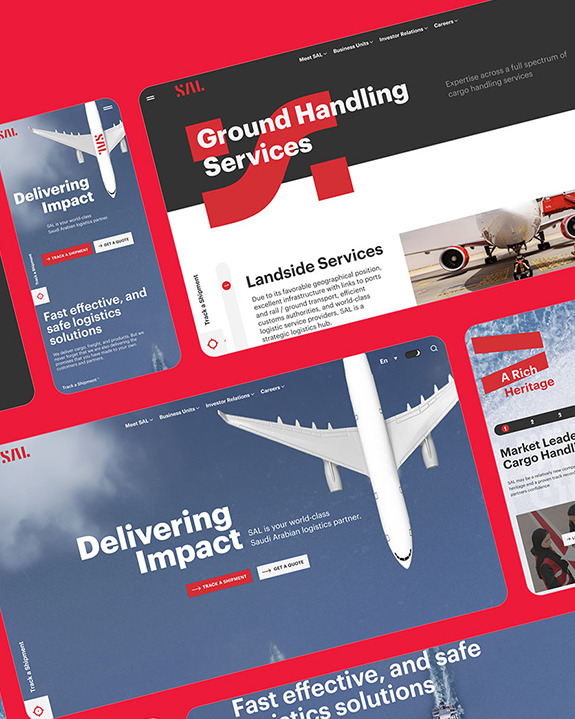
SAL
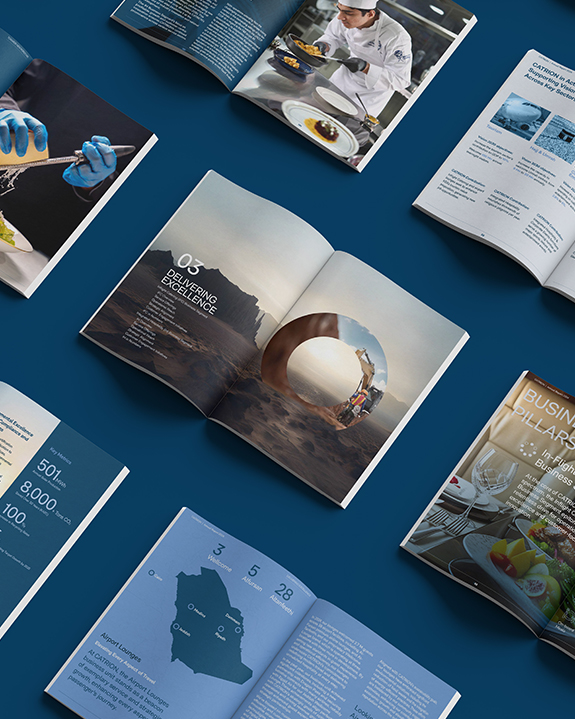
Catrion
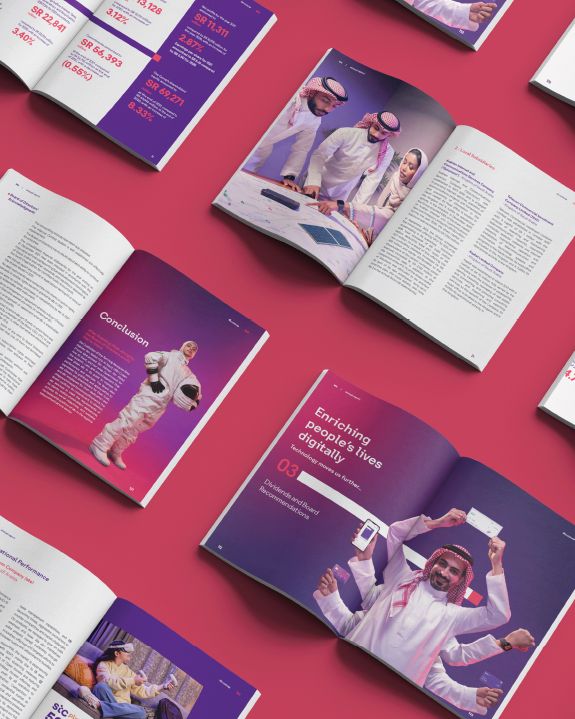
STC
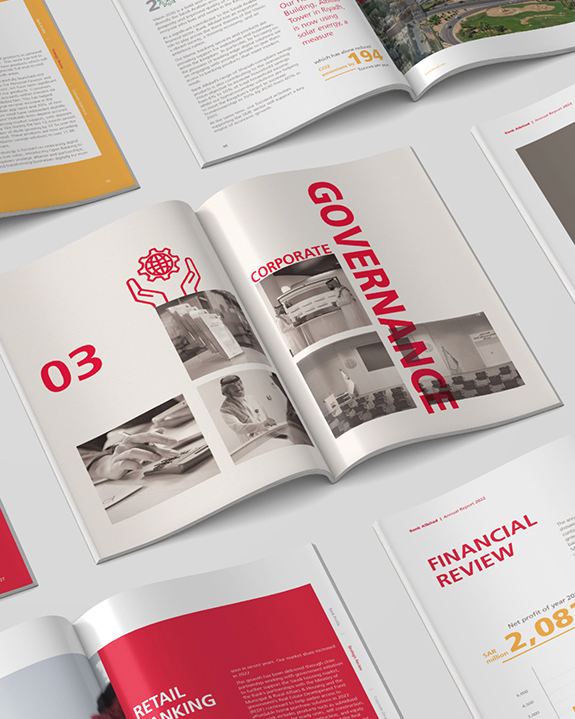
Bank Albilad
One Banking
PIF
SELA
Ma'aden
Riyad Bank
Genalive
Enjoy
Meem Bank
Project
Project
Project
Project
Project
Project
Project
Project
Project
Project
Project
Project

Start a Conversation

Hi! Click one of our member below to chat on WhatsApp

Why Automated Arabic Layouts Fail Your Customers

Byline: Aamir Shehzad

Enterprise website platforms built for Western markets fail GCC organizations before a corporate client ever logs into the system. During our analysis of how large regional institutions manage their digital presence and internal communications, we discovered a consistent pattern of operational fragmentation. Most enterprises run their external website through one platform, their corporate intranet through another, their marketing content through a third, and their employee communications via informal chat applications.

Because these systems are completely disconnected, corporate marketing directors and operations leads face an invisible but heavy tax in the form of slow content updates, inconsistent brand application, and inaccurate data tracking.

The failure begins with a fundamental misunderstanding of bilingual product design. In the regional market, supporting both Arabic and English is a core business requirement. Yet most standard international software platforms treat bilingual functionality as a simple text translation process. Arabic and English possess completely different typographic weights, reading rhythms, and visual relationships to space. When a team uses automated style sheets to mirror a Left-to-Right layout into a Right-to-Left structure, it immediately ruins the visual balance, causing text compression, unaligned buttons, and broken navigation fields.

Designing for Structural Parity

This messy mirroring splits your app into two completely different experiences, leaving Arabic speakers with a second-class interface. To get both languages right, you have to design for Arabic from the very start. That means choosing typefaces that remain legible on smaller screens and designing layouts where Arabic text, spacing, and interactive elements work together naturally.

Our research into employee experience shows that the internal face of an organization is often its least well-designed digital environment. Running critical internal announcements through chaotic chat groups or outdated intranets isolates teams and dilutes corporate culture. To build a smooth operation, leaders need to ditch the mess of single-purpose tools and put everything on one connected platform. That way, your external marketing and internal communications are finally managed together under the same set of rules.

Achieving commercial impact requires a complete alignment between your brand promises and your daily product delivery. When a company spends a fortune on a big ad campaign only to send people to a broken, clunky app, customers lose trust instantly. You have to build your digital tools around real people, creating a smooth setup where every single tap feels natural, fast, and effortless.

Unifying the Enterprise Ecosystem

The W3C internationalization standards emphasize that structural markup for Right-to-Left text must be handled intentionally at the document level to prevent layout degradation. When a bank relies on automated scripts instead of designing custom layouts for Arabic typography, it ruins the experience for half its customers.

When you evaluate your current digital operations, you must ensure that your external identity matches your internal capability. Integrated platform design removes the friction that slows down content publishing cycles, eliminates localized interface errors, and ensures that your brand message remains intact across every single channel.

Achieving True Linguistic Balance

ACTION AVOID

Build separate native layout files tailored to custom Arabic typography.

Trust automated CSS mirroring scripts to manage bidirectional visual hierarchies.

Standardize brand assets within a single, unified content management platform.

Run external websites and internal corporate intranets through disconnected platforms.

Test how bidirectional layouts affect the position of interactive components.

Treat bilingual support as a final, isolated text translation task.

Select custom typefaces that maintain legibility at small sizes on viewports.

Pair elegant English font hierarchies with basic Arabic system fonts that compress text.

An Arabic Right-to-Left layout designed at the end of a project is recognizable on sight to anyone who reads Arabic.

If you want a bilingual brand system that holds across every channel and every market, Spark Studio was built to provide it. Request a platform demo at wearespark.me/platforms/spark-studio

Related Articles

Deep dives into what matters