logo

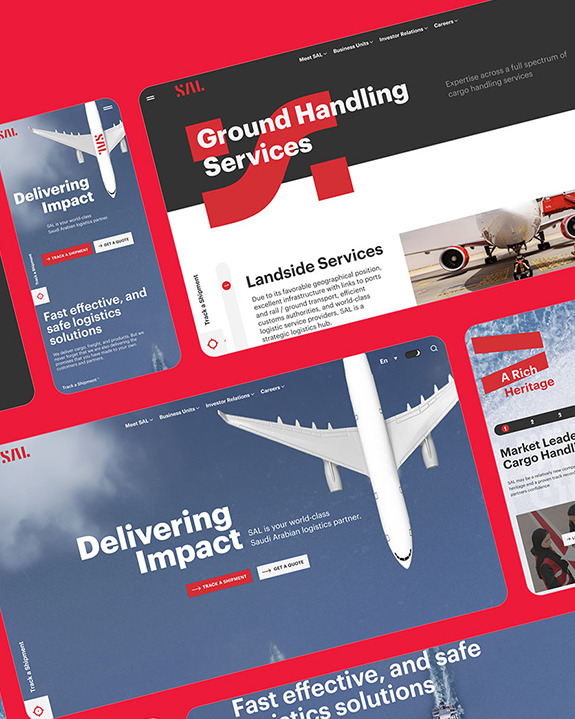
SAL
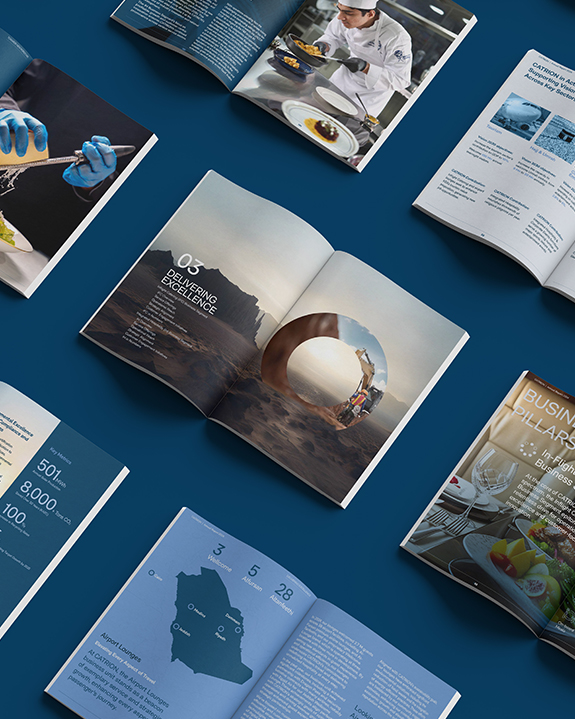
Catrion
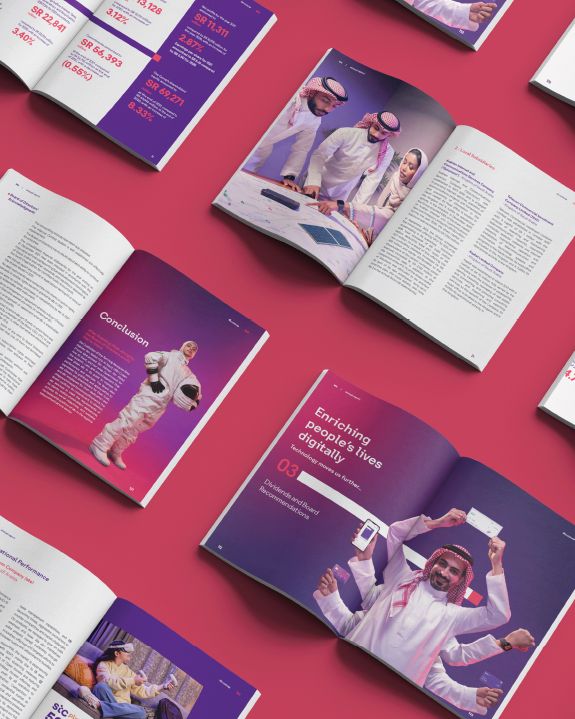
STC
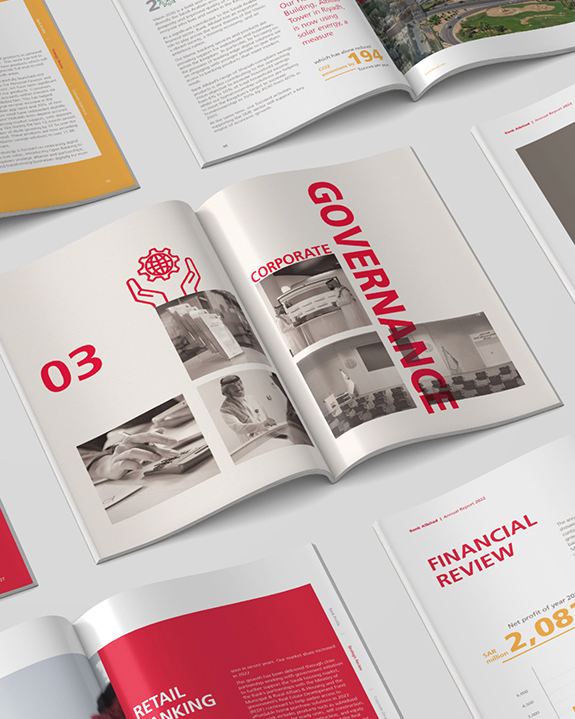
Bank Albilad
One Banking
PIF
SELA
Ma'aden
Riyad Bank
Genalive
Enjoy
Meem Bank
Project
Project
Project
Project
Project
Project
Project
Project
Project
Project
Project
Project

Start a Conversation

Hi! Click one of our member below to chat on WhatsApp

Translating Vision: Why Bilingual Annual Reports Need More Than Just Literal Words

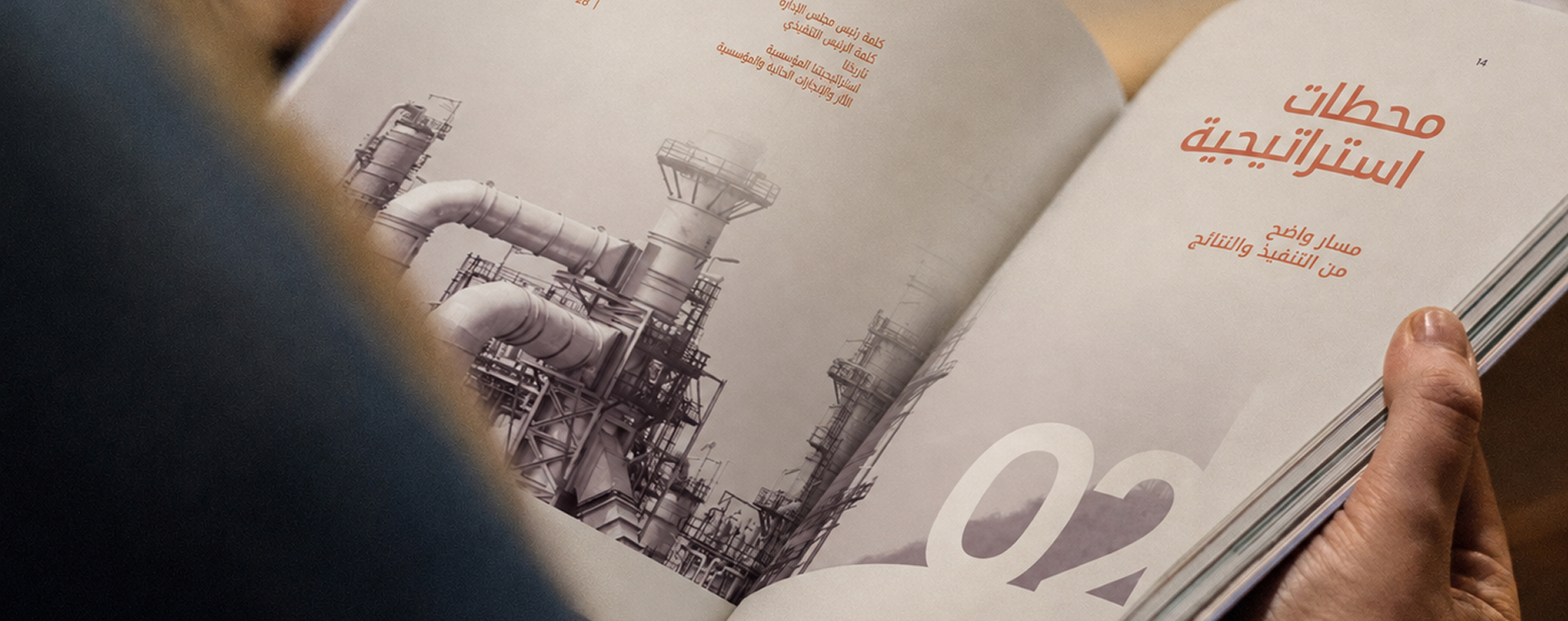
In the dynamic and rapidly evolving business landscapes of the Gulf Cooperation Council (GCC), corporate reporting is inherently a bilingual endeavor. Operating across markets where English and Arabic share official, commercial, and cultural prominence means that an annual report must speak with equal authority, clarity, and elegance in both languages. Yet, too many organizations treat the translation of their most critical corporate document as a rushed, mechanical afterthought; a final checkbox where English text is fed through literal translation tools and crammed into fixed page layouts.

This approach fundamentally undermines the strategic intent of the report. Language is not merely a vehicle for transferring raw data; it is the primary vessel for corporate culture, tone, and brand authority. When a bilingual annual report fails to respect the linguistic and cultural nuances of its secondary language, it risks alienating key stakeholders, damaging brand equity, and projecting an image of corporate detachment.

beyound-img

The Pitfalls of Literal Translation in Corporate Narratives

One of the most common pitfalls in corporate reporting is the assumption that financial terminology and strategic vision statements can be translated word-for-word without losing their contextual meaning. Financial lexicons, governance terminologies, and forward-looking strategic narratives carry specific weight and regulatory connotations in both English and Arabic.

A rushed literal translation often strips the narrative of its professional soul. For instance, an ambitious, inspiring English executive vision statement can easily devolve into a stiff, bureaucratic, and unengaging manual when translated without cultural context. Conversely, formal Arabic corporate disclosures require a deep understanding of regional statutory phrasing and market etiquette that standard automated translation software simply cannot comprehend. When the Arabic edition reads like an awkward carbon copy of the English text or vice versa, it creates an uneven brand experience for international investors versus regional partners and regulators.

Synchronizing the Messaging Architecture

To achieve true bilingual parity, organizations must integrate bilingual content strategists and native copywriters into the annual report production process from day one. Rather than treating translation as a linear step that occurs only after the English manuscript is completely locked down, teams should develop a synchronized messaging architecture.

This collaborative approach ensures that both language versions maintain absolute consistency in core messaging, financial metrics, and strategic positioning while adapting naturally to the rhetorical style of each readership. Furthermore, technical design considerations must be addressed early. Managing right-to-left (RTL) and left-to-right (LTR) typographic scales, grid systems, and visual hierarchy requires specialized layout planning to ensure that the Arabic edition looks just as polished, modern, and visually compelling as its English counterpart.

When executed with precision and cultural respect, a bilingual annual report ceases to be a compliance compromise. Instead, it becomes a powerful bridge connecting global capital markets with regional stakeholders, proving that your corporate vision is universally understood and valued.

Dos and Don'ts for Executive Execution

Dos Don'ts

Bring native English and Arabic content strategists together from day one to develop a synchronized messaging architecture.

Don't rely on rushed literal, word-for-word translation tools that strip the corporate narrative of its professional soul.

Respect both statutory regulatory terminology and cultural tone to ensure brand voice consistency.

Don't allow the Arabic edition to read like a stiff, disconnected manual while the English version reads like an ambitious vision statement.

Plan right-to-left (RTL) and left-to-right (LTR) grid systems and typography scales carefully during initial design.

Don't treat bilingual layout alignment as a simple copy-paste exercise at the final proofreading stage.

Related Articles

Deep dives into what matters