The Green Shift: Making ESG Feel Real Inside Your Corporate Narrative
The corporate world has reached a definitive tipping point regarding sustainability. For years, environmental, social, and governance (ESG) reporting operated as a peripheral exercise; a glossy, separate corporate social responsibility brochure printed on recycled paper and tucked away on a company website. These documents were largely detached from the rigorous auditing standards governing financial accounts, often relying on vague aspirations, generic stock photography of wind turbines, and qualitative pledges that lacked verifiable backing. Today, that siloed era has decisively ended.
As global capital markets face intensifying systemic risks, ranging from climate destabilization and resource scarcity to shifting regulatory regimes like the European Union's CSRD and ISSB baselines, sustainability is no longer a side project. It is core to enterprise survival. Consequently, the annual report has become the primary battleground where sustainability claims are tested, scrutinized, and validated by institutional investors, rating agencies, and discerning consumers alike.
Moving Beyond Greenwashing and Generic Rhetoric
The primary challenge facing corporate communicators today is the pervasive specter of greenwashing. When a company’s public narrative outpaces its operational reality, the resulting reputational and legal fallout can be catastrophic. Modern stakeholders, armed with advanced data analytics, AI-driven textual screening tools, and strict regulatory oversight, can instantly spot the disconnect between glowing qualitative prose and lagging quantitative performance.
Making ESG feel real within an annual report requires abandoning empty buzzwords. It demands an unflinching commitment to operational transparency. If a company has fallen short on its carbon reduction targets or supply chain labor metrics, addressing those hurdles with candor builds far more credibility than hiding behind complex bureaucratic jargon. Authenticity in sustainability reporting means presenting both the triumphs and the ongoing operational transitions with equal analytical rigor.
Weaving ESG Into the Core Business Model
To truly resonate, ESG metrics cannot be appended to the back of an annual report as an isolated chapter that has nothing to do with the profit and loss statement. Environmental stewardship, workforce well-being, and board governance must be woven directly into the company’s core business model and strategic narrative.
When drafting the annual report, executive leadership must clearly articulate how sustainability initiatives drive long-term financial resilience. How do energy-efficient operations lower operational costs? How do robust human capital policies drive employee retention and productivity? How does transparent governance mitigate regulatory risk? By connecting non-financial metrics directly to long-term enterprise value, organizations transform compliance data into a compelling roadmap for sustainable growth.
Dos and Don'ts for Executive Execution
Do’s
Don'ts
Anchor every sustainability claim in verifiable operational data and transparent, auditable metrics.
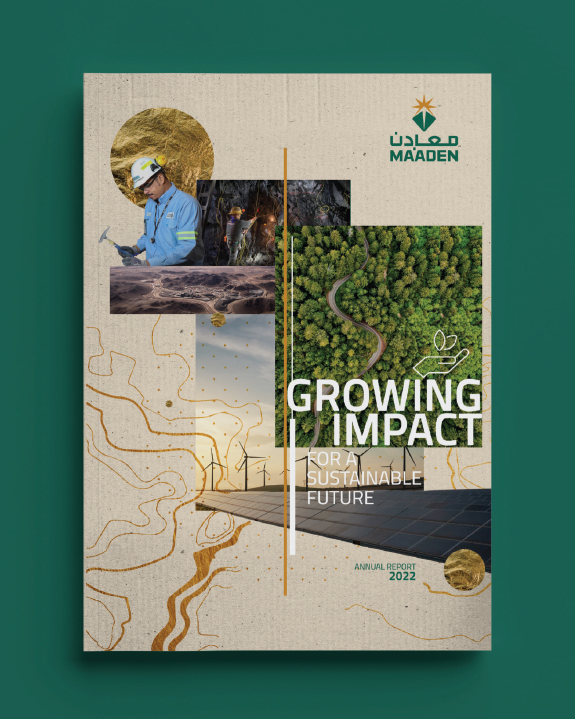
Don't rely on generic stock photography or vague pledges that invite greenwashing accusations.
Integrate environmental, social, and governance narratives directly into the core business model.
Don't append a glossy, disconnected sustainability chapter to the back of your financial statements.
Use clear data visualizations to make complex carbon accounting digestible.
Don't hide behind complex bureaucratic jargon when discussing environmental challenges.