Article 1: Beyond the PDF: Why Your Annual Report Deserves Better Than a Digital Paperweight
We have all been there. It is the end of the financial reporting cycle, and a massive, 200-page PDF file drops onto the corporate website. It sits there, heavy and intimidating, serving as a digital paperweight that satisfies regulatory boxes but rarely captures anyone's imagination. In an era where brand experience dictates market reputation, treating your annual report as an afterthought of design and storytelling is a missed opportunity.
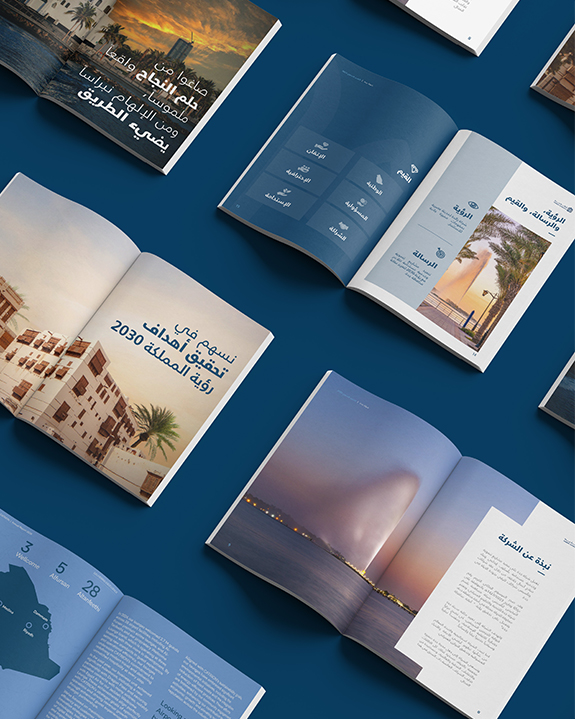
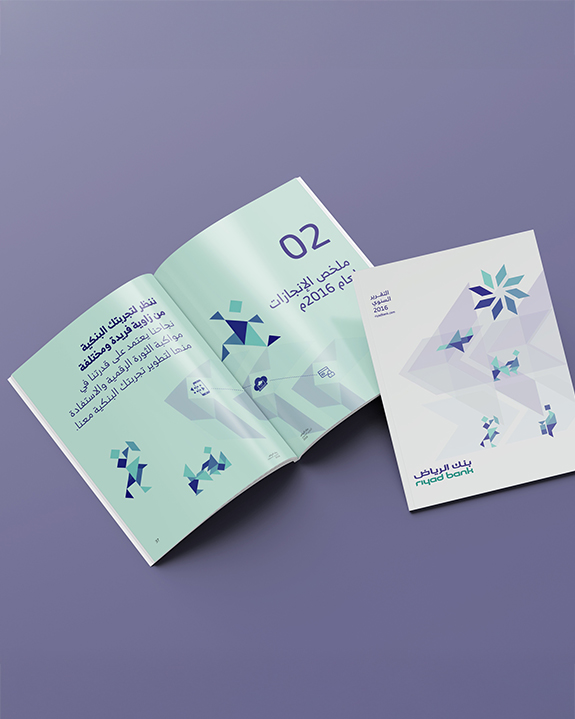
An annual report is not merely a compliance burden; it is the ultimate expression of your corporate identity. It tells the story of your triumphs, your resilience, and your vision for the future. Yet, many organizations still treat layout and narrative design as secondary concerns, burying compelling achievements beneath dense blocks of financial jargon and uninspired tables. When stakeholders, whether they are institutional investors, prospective partners, or your own employees, open your report, they should experience a cohesive, engaging journey.
The Cost of the Digital Paperweight
For years, corporate reporting has been crippled by the myth that serious business documentation must be dry, unapproachable, and visually exhausting. Companies spend millions of dollars and countless man-hours compiling pristine financial statements, operational audits, and strategic forecasts. Yet, when it comes to publishing these documents, the final presentation is often reduced to a static, unsearchable PDF file that is nearly impossible to navigate on mobile devices or tablets.
This friction creates a massive barrier between the organization and its key audiences. Retail investors struggle to find the key performance indicators that matter most to them. Analysts waste valuable time hunting through unformatted appendices. Prospective clients looking for proof of stability encounter a wall of bureaucratic prose that fails to communicate the company's true market value. When your annual report lacks editorial fluidity and thoughtful information architecture, it actively works against your brand equity.
Shifting From Data Dump to Strategic Storytelling
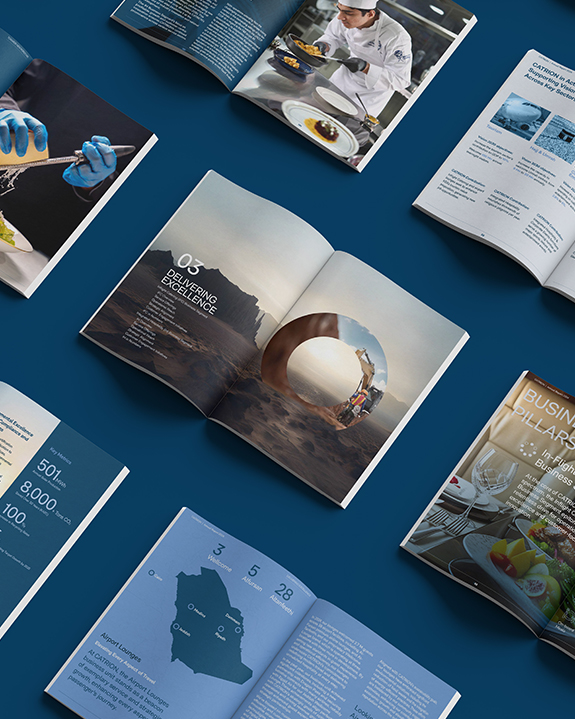
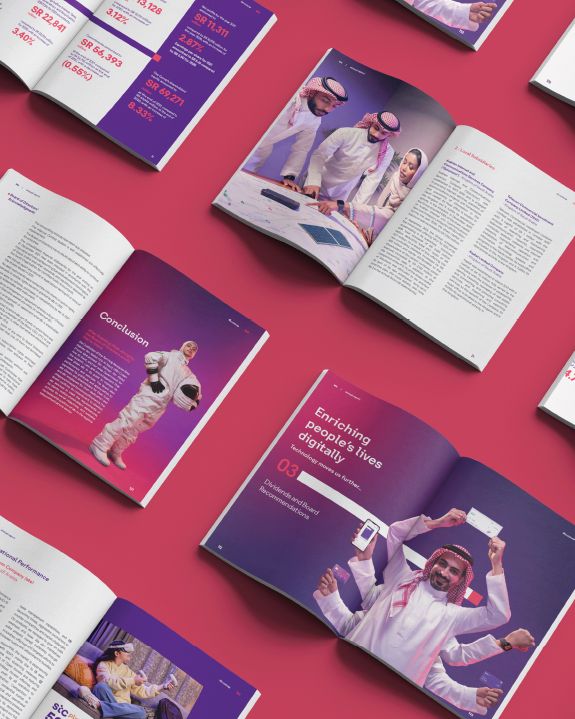
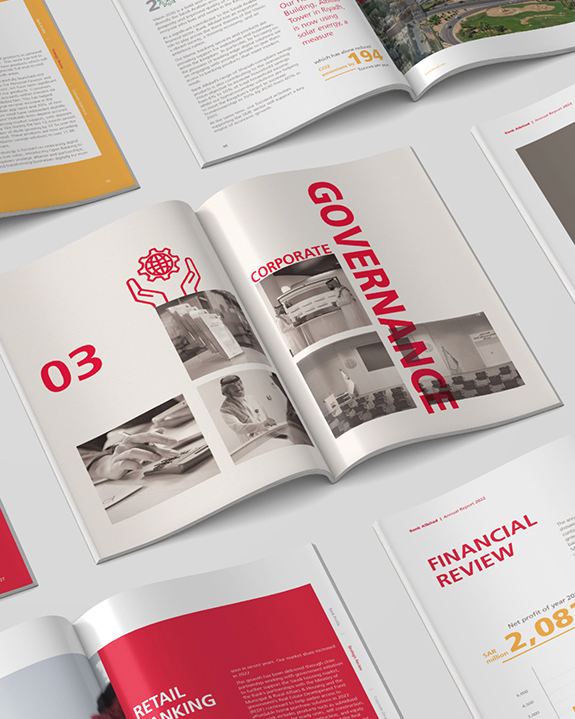
Transforming a traditional report starts with shifting the mindset from a compliance-driven data dump to an intentional strategic narrative. This means cleaning up the visual architecture, leveraging clean typography, and using smart infographics to break down complex financial metrics into digestible takeaways. It means ensuring that the CEO’s letter sounds like a human being with a clear vision rather than a committee-drafted press release that hides behind corporate buzzwords.
Storytelling in an annual report does not mean sacrificing financial rigor; rather, it means contextualizing the numbers. Why did revenue shift in a specific direction? What operational hurdles were cleared to achieve those margins? How do the company's long-term environmental and social commitments tie directly into its profitability? When you weave these elements together into a seamless narrative, you transform raw data into a compelling business narrative that builds deep trust and credibility.
Embracing Modern Digital Fluidity and Accessibility
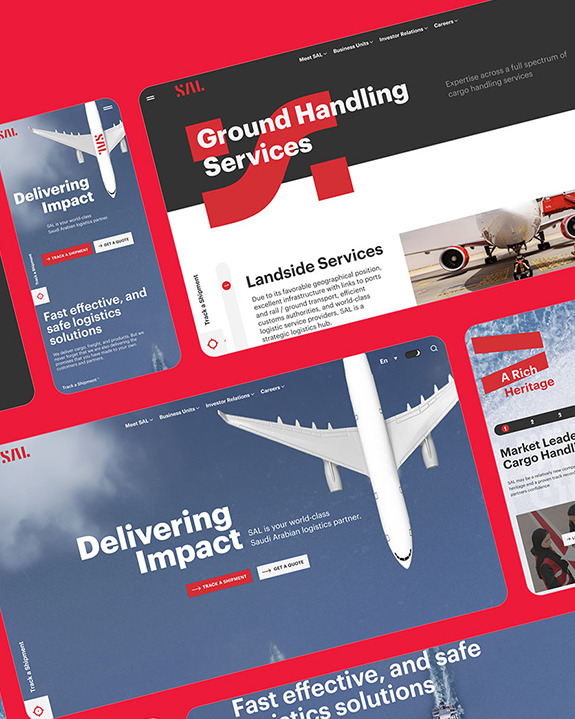
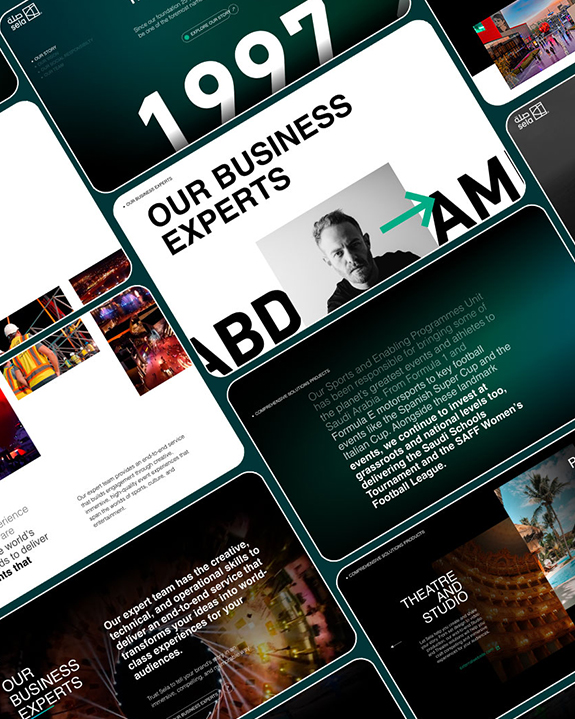
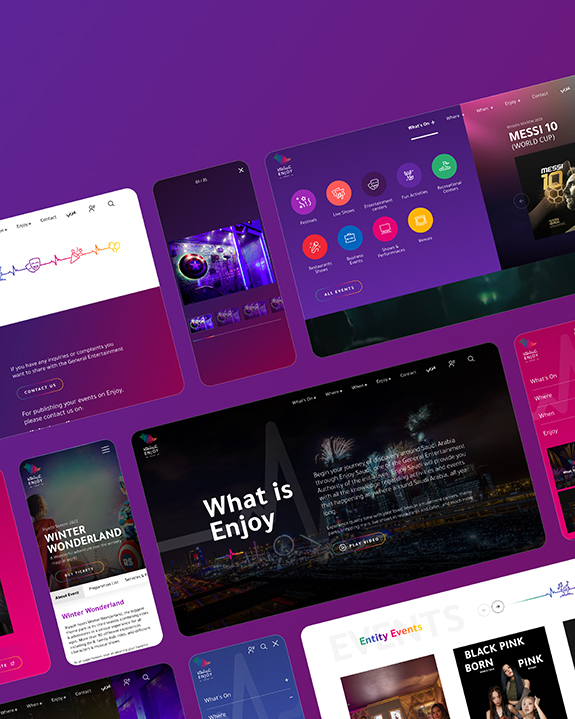
Furthermore, modern reporting demands accessibility and digital fluidity. Relying solely on a downloadable desktop PDF is no longer acceptable in an ecosystem where stakeholders consume information across multiple screens and devices on the go. Interactive online summaries, modular web layouts, scannable data dashboards, and light, efficient file formats show that a company respects its audience's time and attention.
When you invest in thoughtful design, sharp editorial execution, and modern digital distribution, your annual report stops being an end-of-year chore. Instead, it becomes a powerful, persuasive asset that builds market trust, reinforces executive leadership, and proudly showcases precisely where your business is heading next.
Embracing Modern Digital Fluidity and Accessibility
Furthermore, modern reporting demands accessibility and digital fluidity. Relying solely on a downloadable desktop PDF is no longer acceptable in an ecosystem where stakeholders consume information across multiple screens and devices on the go. Interactive online summaries, modular web layouts, scannable data dashboards, and light, efficient file formats show that a company respects its audience's time and attention.
When you invest in thoughtful design, sharp editorial execution, and modern digital distribution, your annual report stops being an end-of-year chore. Instead, it becomes a powerful, persuasive asset that builds market trust, reinforces executive leadership, and proudly showcases precisely where your business is heading next.
Do’s
Don'ts
Treat the annual report as a core brand storytelling asset rather than an end-of-year regulatory checkbox.
Don't dump 200 unformatted pages of text and tables online as a heavy, unsearchable digital paperweight.
Invest in clean typography, modular grid systems, and smart visual layouts that guide readers effortlessly through dense data.
Don't let executive letters read like sterile, committee-approved press releases devoid of human voice and vision.
Ensure that digital versions are fully responsive, mobile-friendly, and optimized for fast web loading.
Don't treat design and narrative layout as an afterthought tacked on at the very end of the production timeline.
Contextualize financial numbers by explaining the "why" behind operational shifts and margins.
Don't assume that a static desktop PDF satisfies the accessibility and flexibility needs of modern mobile-first audiences.
Collaborate between design, finance, and editorial teams from day one of the production timeline.